
Traditional
Trades such as
- Construction
- Electrical
- Carpentry
- Plumbing
- Heavy equipment operation
The DOES Youth Apprenticeship is for graduating seniors at DC Public Schools and DC public charter schools. Apprentices combine on-the-job training with related academic and technical classroom education.
A program of


About the program
The Department of Employment Services (DOES) Youth Apprenticeship Program (YAP) is an innovative educational initiative that provides qualified graduating seniors from the District of Columbia Public Schools (DCPS) and District of Columbia Public Charter Schools (DCPCS) with the opportunity to begin training in a registered apprenticeship occupation. The program combines paid on-the-job training with related academic instruction focused on industry-specific training, enabling students to gain valuable workforce experience while preparing for long-term career success.
The window below is when you can apply. Miss it and the next one is announced here first.
Occupations
Traditional apprenticeships combine hands-on training with classroom instruction to prepare you for careers in high-demand trades. Non-traditional ones run in a growing range of industries, with structured pathways into emerging and expanding fields.
Trades such as
Fields such as
Neither list is exhaustive. To explore apprenticeship opportunities in both traditional and non-traditional occupations, visit the U.S. Department of Labor’s Apprenticeship Occupations page at apprenticeship.gov.

Graduate story
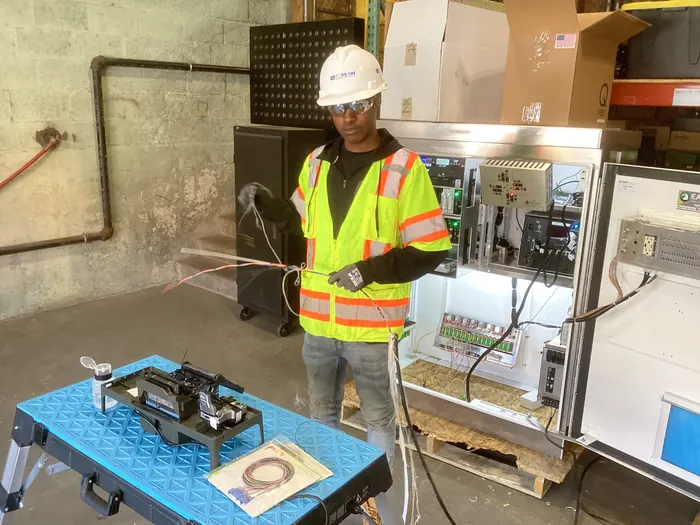
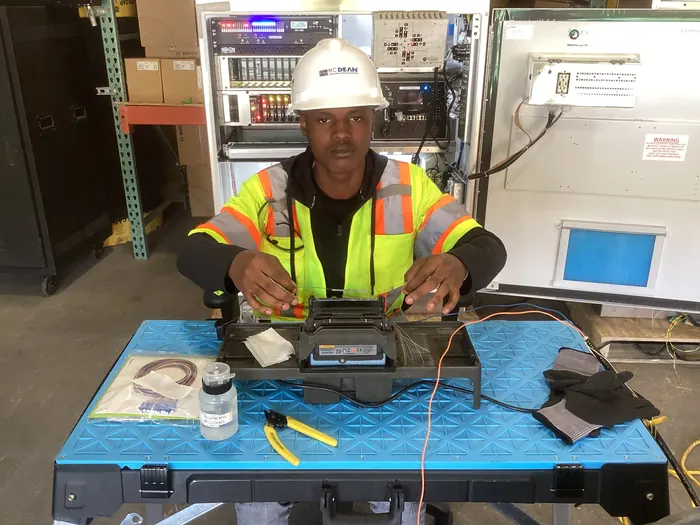
When asked what motivated him initially, Mr. Williams shared that he simply wanted “a chance to prove myself” and to become something other than “a product of my environment.” That motivation carried him through a steep early learning curve — blueprint reading, construction layouts, and traffic signal systems which he found challenging but manageable with time and consistency. He described transitioning into a full eight-hour workday as the moment the opportunity felt real, and he expressed pride in earning his OSHA 10 certification while emphasizing his hunger for what comes next, calling it “just scratching the surface.”
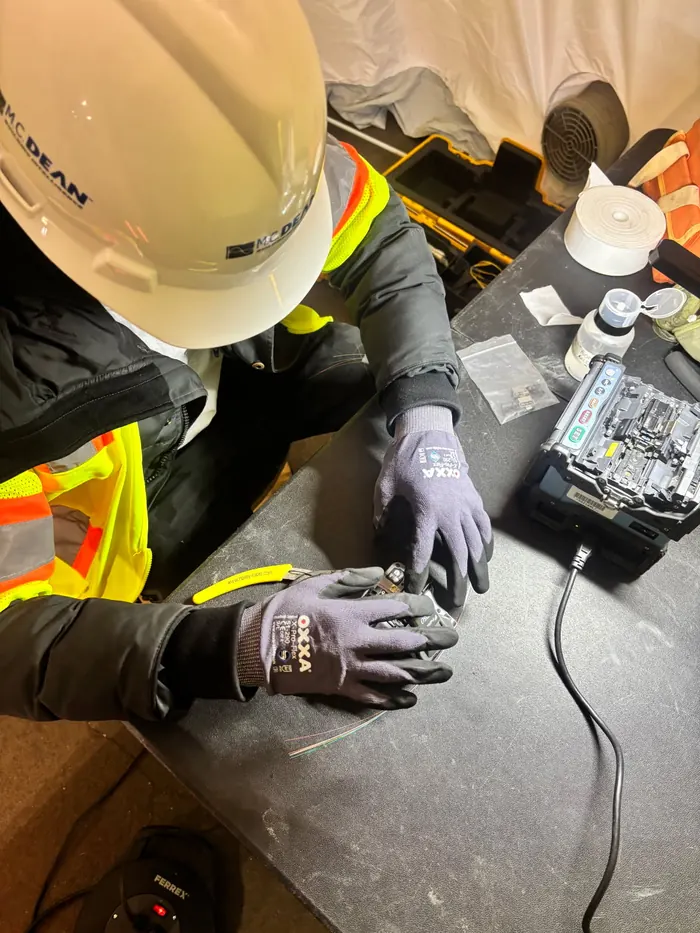
Tavon Williams Electrical apprentice, MC Dean · OSHA 10 certification · YAP 2026 graduate
Eligibility
Six things have to be true. Check each one against your own situation.
Employers have their own requirements on top of these.
If you are under 18
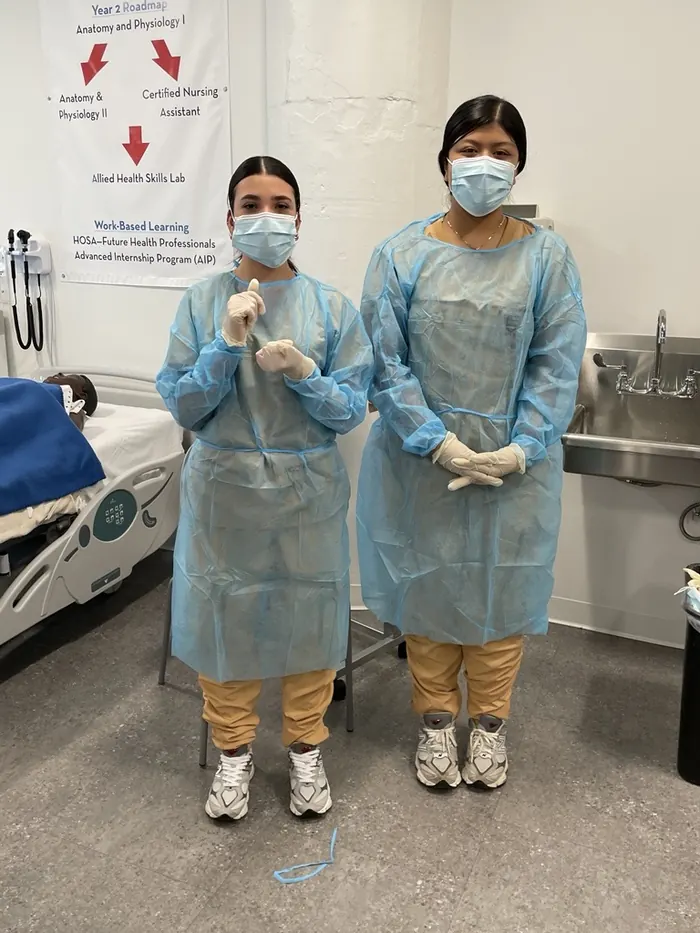
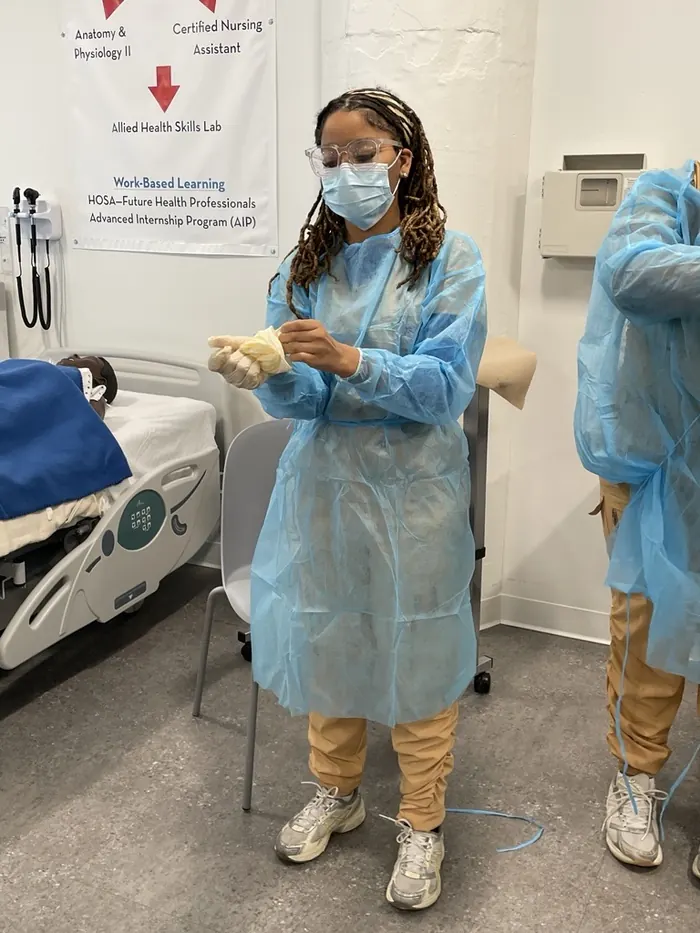
For the medical occupations
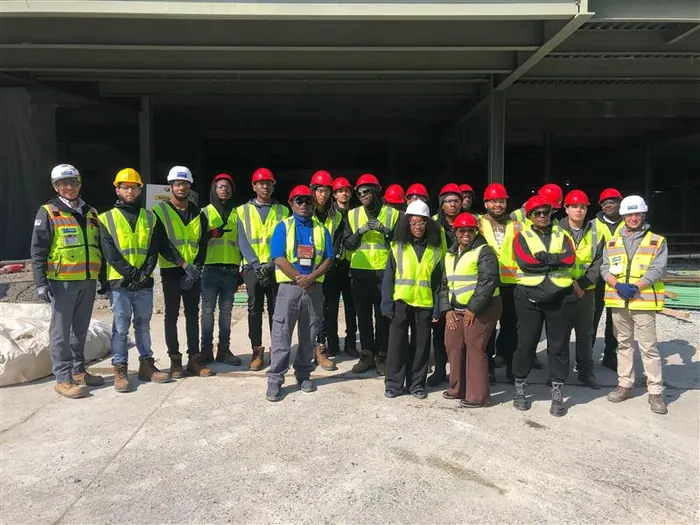
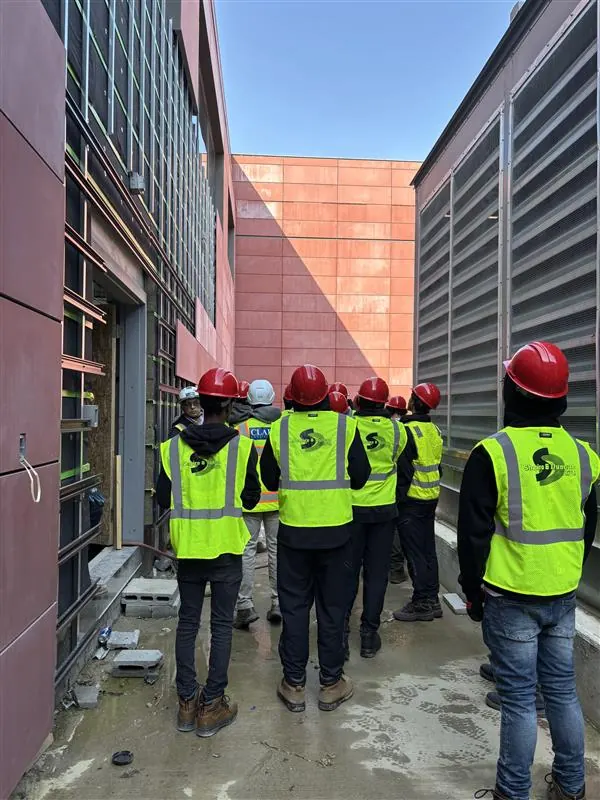
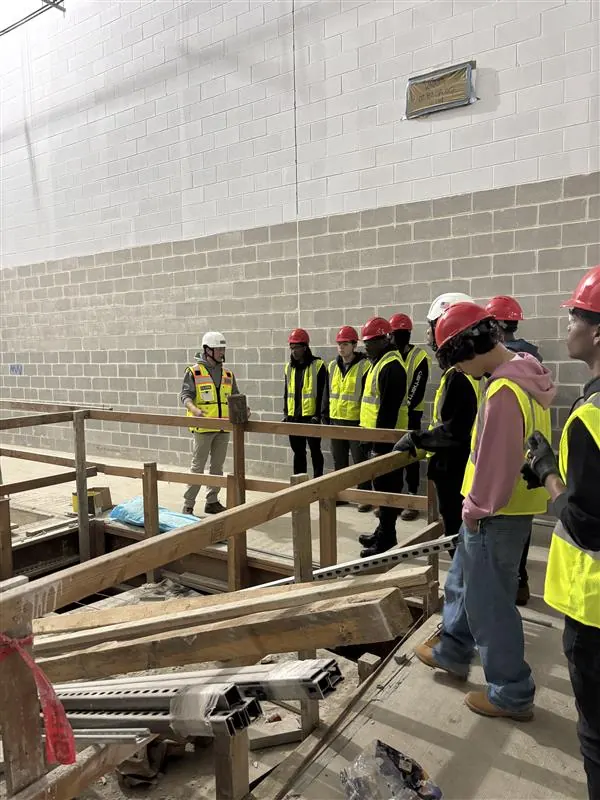
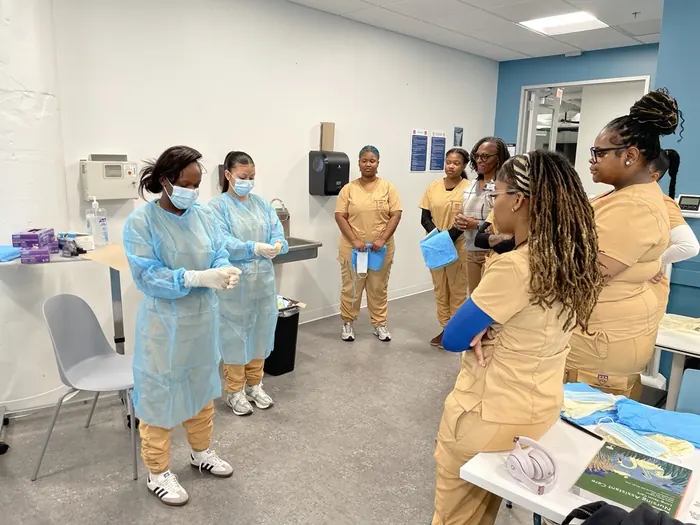
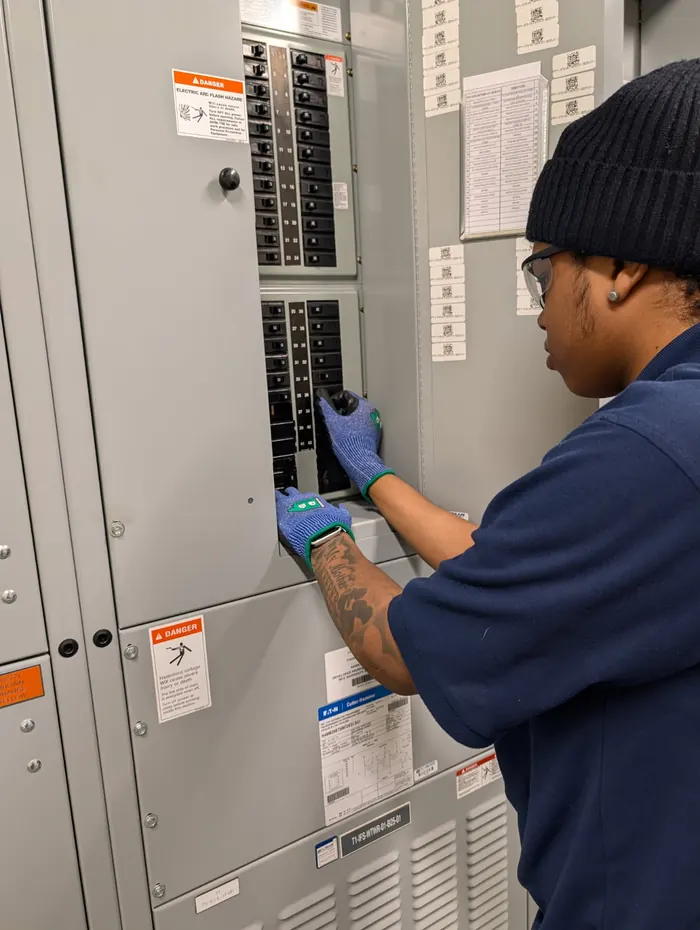
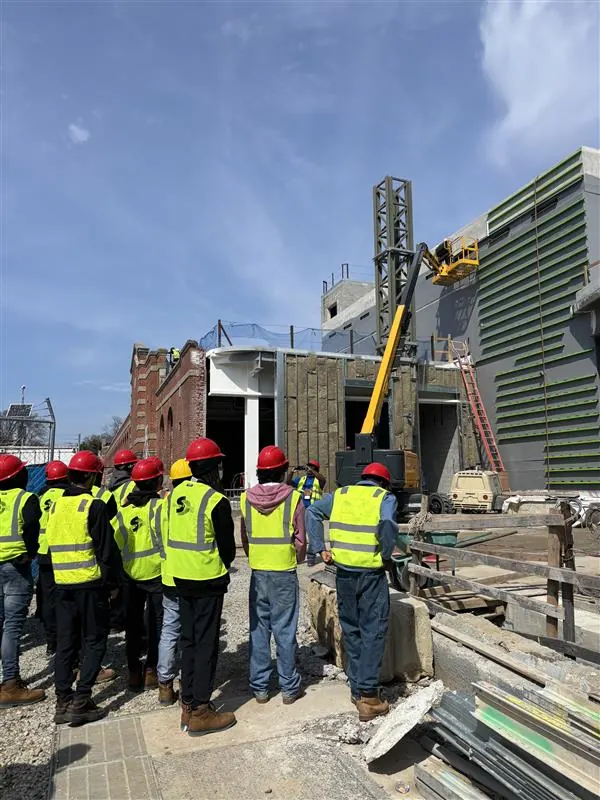
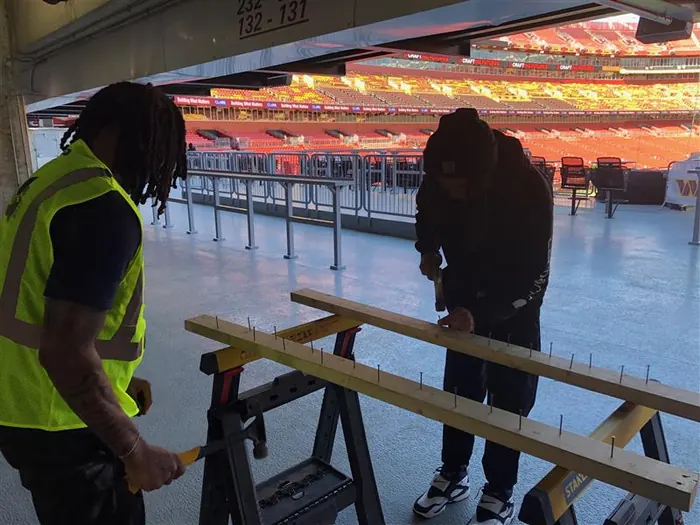
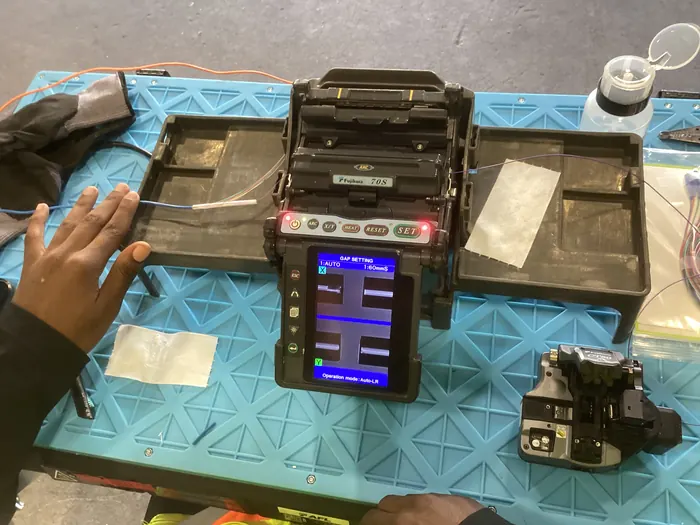
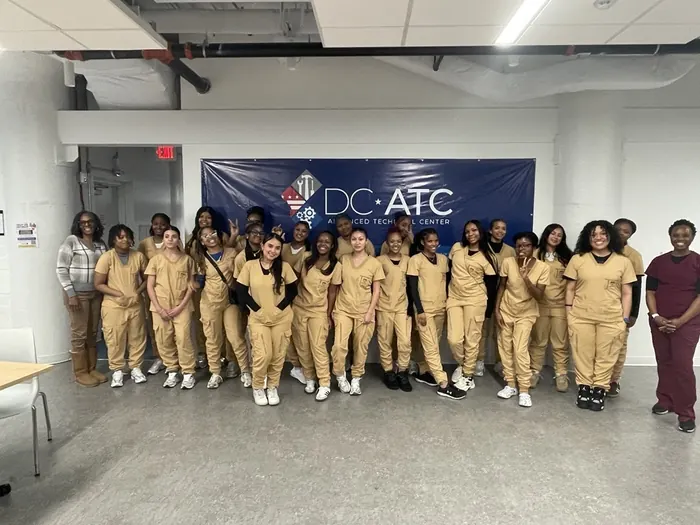
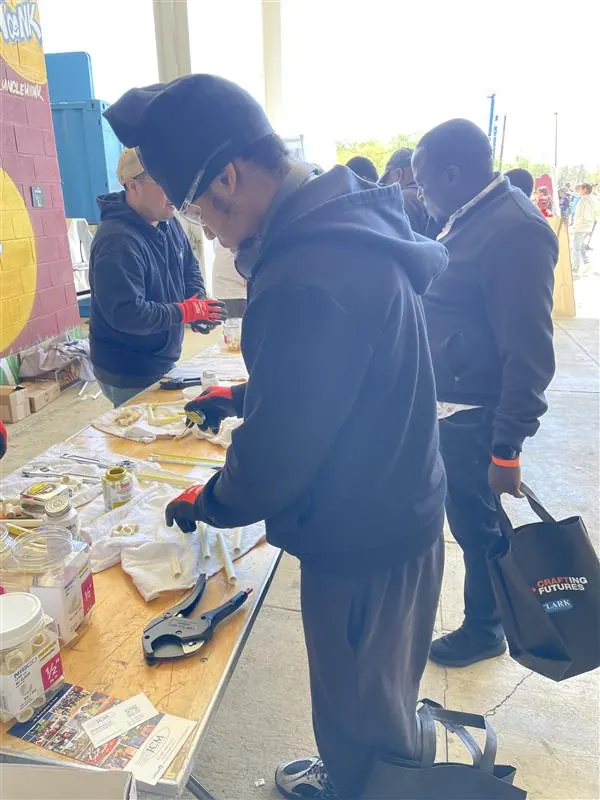
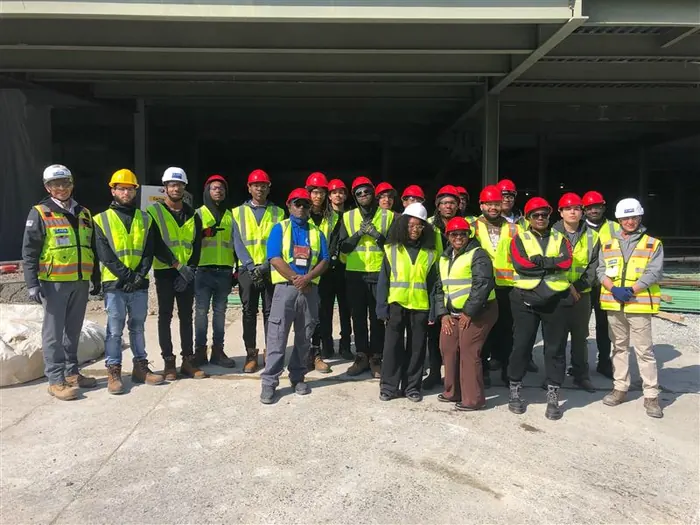
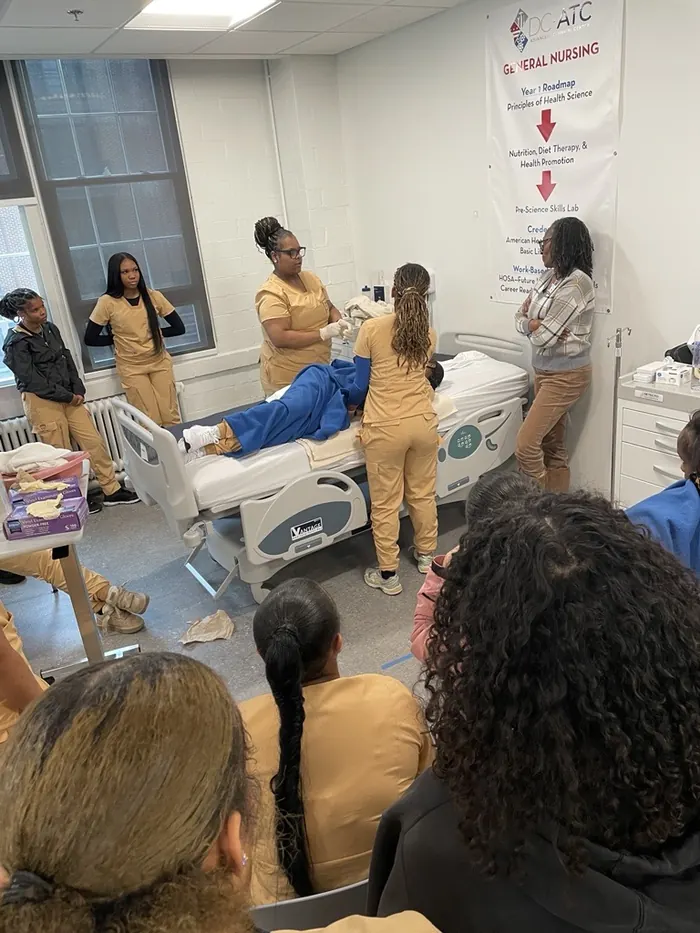
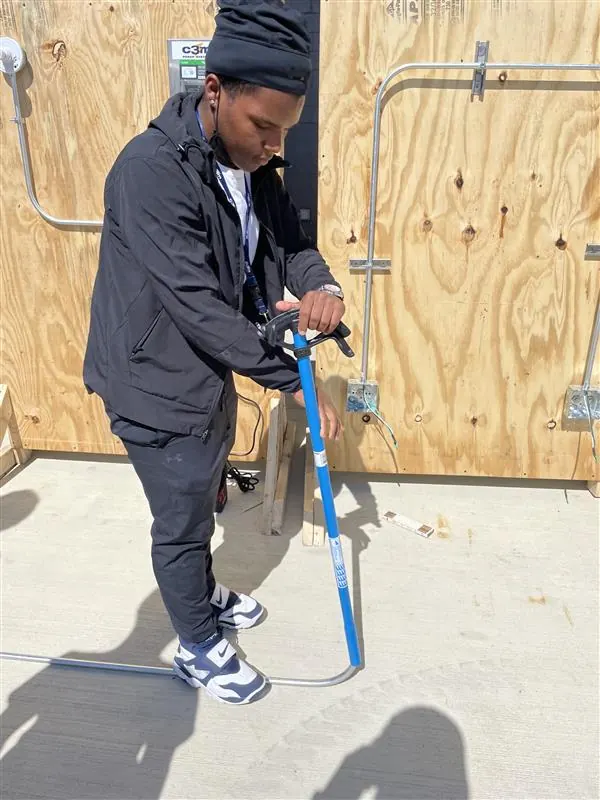
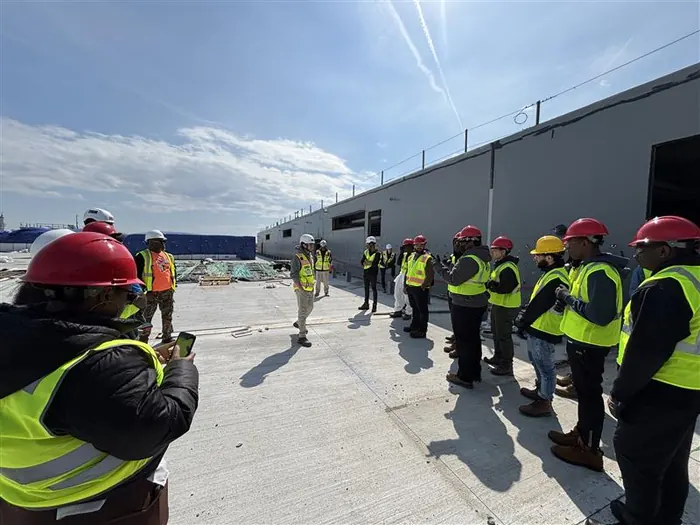
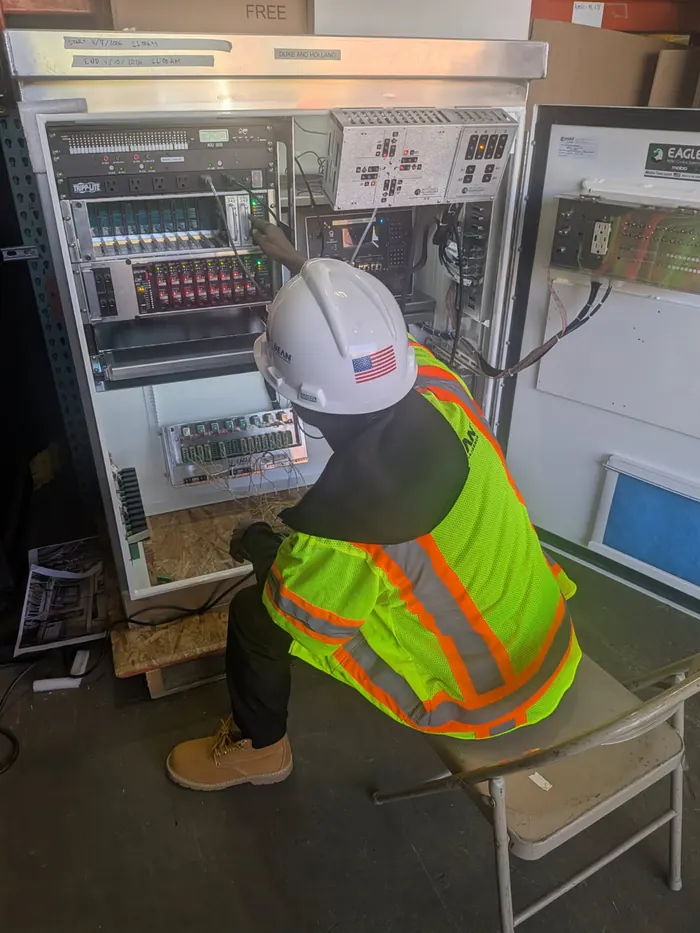
Apprentices at work
Questions
Applications for the Spring 2027 Youth Apprenticeship Program open on September 21, 2026.
The application process may take up to 30 minutes to complete and requires the upload of eligibility documents. You may save your progress and return to the application at any time before submitting it.
If you need assistance completing the application, please contact a school advisor, family member, or a member of the DOES team. Once you create an account, you will receive text and/or email notifications regarding your application and completion status.
Please note that this is a first-come, first-served program, and enrollment is limited to 100 qualified participants.
Three things, in the order they matter: you are paid for your on-the-job training, you leave with an industry-recognized credential, and you stand a strong chance of being hired by your host employer or one of our partner employers.
That last one is not a promise. It is the standard the program sets for itself and measures against: 80% of apprentices attaining their credential, and 70% receiving a job offer.
Along the way you build technical and professional skills, and real connections with people already working in your field.
The Youth Apprenticeship Program runs from February to May 2027. Apprentices work up to 16 hours per week.
The program includes 200 hours of paid on-the-job training, combined with technical classroom instruction, providing participants with practical work experience and industry-related education.
Yes. Selected participants are eligible to receive bi-weekly wages beginning at $18.40 per hour, working up to 16 hours per week, while enrolled in the program.
No, employment is not guaranteed. What you get instead is a case manager who works with you on it: supportive services, job resources, and word of upcoming hiring fairs.
And you apply from a strong position. Between the hands-on experience, the credential and the employers already engaged with the program, apprentices who finish are highly competitive candidates. A 70% job offer rate is the standard the program works to — it is not a guarantee of an offer to any one apprentice.
Yes. Students who are accepted into the Youth Apprenticeship Program will have their academic schedules adjusted to accommodate technical instruction and on-the-job training requirements. All eligible participants must have a half-day school schedule and complete ALL graduation requirements (for example, volunteer hours) prior to starting the program.
High school counselors and career coordinators will work closely with participants to ensure they remain on track to meet graduation requirements while successfully completing all Youth Apprenticeship Program requirements.
Hiring process
Step 1
Interested students must apply through the Skills Nation website and provide all required supporting documentation.
Step 2
After applications are reviewed, eligible candidates will be scheduled for interviews with participating program sponsors.
Step 3
Selected candidates will receive an official acceptance notification from DOES via email.
Step 4
Accepted participants will begin program training and engage in career development activities designed to support future employment and advancement opportunities.
The team
Michael Taylor
Associate Director
Sierra Gladney
Program Analyst
Tiffany Harkless
Program Analyst
Erica Thomas
Program Analyst
Adrianna Audain
Case Manager
Applications for Youth Apprenticeship are handled online. Create an account, choose this program, and the DOES team picks it up from there.
Questions before you apply? Sierra Gladney sierra.gladney2@dc.gov 202.698.3599 Erica Thomas erica.thomas@dc.gov 202.550.7310